-01.png)
The Muscles That Never Get a Day Off
- Defiance Massage
- Jan 31
- 3 min read

Why Certain Tissues Accumulate Miles Faster Than Others
When people think about overworked muscles, they usually picture sore quads after a long hike or tired shoulders after a day on the slopes. But many of the most stressed tissues in the body aren’t the ones that burn during activity — they’re the ones that quietly stay “on” no matter what you’re doing.
These muscles don’t clock out after a workout. They don’t rest on your days off. And over time, they accumulate miles in a different way — not through intensity, but through consistency.
In active bodies, especially those shaped by mountain terrain and outdoor lifestyles, certain tissues work constantly in the background. Understanding which muscles never truly get a break helps explain why people feel chronically tight, restricted, or imbalanced even when they’re training smart and taking rest days.
Why Some Muscles Accumulate More “Miles” Than Others
Not all muscles are designed for the same kind of work. Some are built for short bursts of power. Others exist to stabilize, protect, and keep you upright against gravity, terrain, and load.
The muscles that never get a day off are usually responsible for:
Postural control
Joint stability
Balance and terrain adaptation
Protective tension during stress or fatigue
They respond not just to exercise, but to:
Standing, sitting, and walking
Carrying packs, gear, groceries, or kids
Navigating uneven ground
Cold exposure and bracing
Mental stress and focus
These tissues don’t need a hard workout to become overworked. They just need repetition.
Key Areas That Quietly Carry the Load
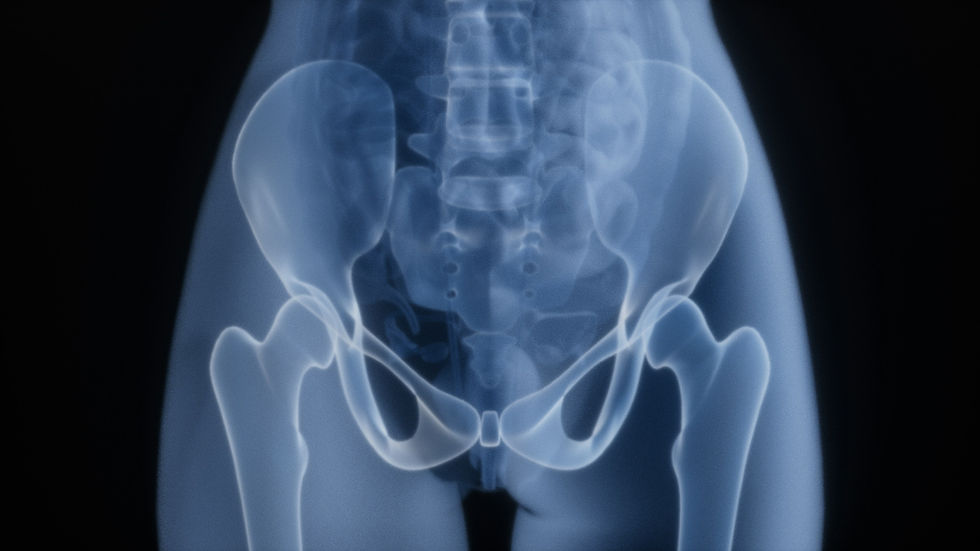
Hip Flexors & Deep Core
Hip flexors are often blamed for being “tight,” but tightness is rarely the full story.
In hikers, skiers, and climbers, hip flexors are constantly:
Stabilizing the pelvis on uneven terrain
Assisting with uphill movement
Staying engaged during sitting, driving, and travel
Bracing during cold weather or fatigue
When these muscles don’t get full recovery, they begin to shorten and lose glide. This can affect low back comfort, stride length, and even breathing mechanics. Massage helps by restoring tissue mobility and reducing the need for constant protective engagement.
Calves, Ankles & Feet
These tissues absorb miles directly — but they also manage balance, propulsion, and shock absorption.
In mountain environments, calves and feet adapt to:
Variable slopes
Hard boots or stiff footwear
Long descents (which load tissue eccentrically)
Cold, which reduces circulation and elasticity
When these areas don’t recover fully, tension can travel upward into knees, hips, and even the lower back. Massage supports circulation, tissue hydration, and foot-to-leg connectivity that stretching alone often misses.
Upper Traps, Neck & Shoulder Girdle
These muscles often carry both physical and mental load.
They respond to:
Backpacks, poles, helmets, and layers
Arm positioning during climbing or skiing
Postural habits during work and phone use
Stress and vigilance
Upper trapezius and neck muscles are closely tied to the nervous system. Chronic tension here isn’t just mechanical — it’s often protective. Massage helps signal safety, allowing these tissues to soften without force.
Forearms & Hands
Grip-based activities are deceptively demanding. Climbers know this well, but even skiers, bikers, and desk workers accumulate forearm fatigue.
These tissues:
Rarely receive direct recovery work
Tend to tighten gradually rather than acutely
Influence elbow, shoulder, and neck function
When forearms lose elasticity, it can limit overall upper-body efficiency. Massage restores glide between muscle layers and improves circulation into areas that don’t naturally “rest.”
Why These Muscles Feel Chronically Tight
“Tight” is often the body’s way of saying “I’m doing my job and I don’t trust that I can stop.”
These muscles are protective. They stabilize joints, guard old injuries, and compensate for fatigue elsewhere. Stretching them aggressively can sometimes increase guarding instead of resolving it.
Massage works differently.
Rather than forcing length, massage:
Improves tissue hydration and sliding
Reduces protective tone through nervous system input
Helps muscles release because they feel supported, not because they’re being pulled
This is why people often feel lasting change after massage, even when stretching hasn’t helped.
Why Recovery Needs to Match the Miles
When muscles never get a day off, recovery has to be intentional.
Rest alone isn’t always enough — especially when daily life continues to load the same tissues. Massage provides targeted recovery to areas that don’t naturally decompress on their own.
In the context of the Miles on the Body series, this matters because:
Accumulated load doesn’t disappear overnight
The body adapts to what it experiences most
Recovery is how you teach tissues to let go


Comments