-01.png)
Self-Massage 101: Easy Techniques for Between Sessions
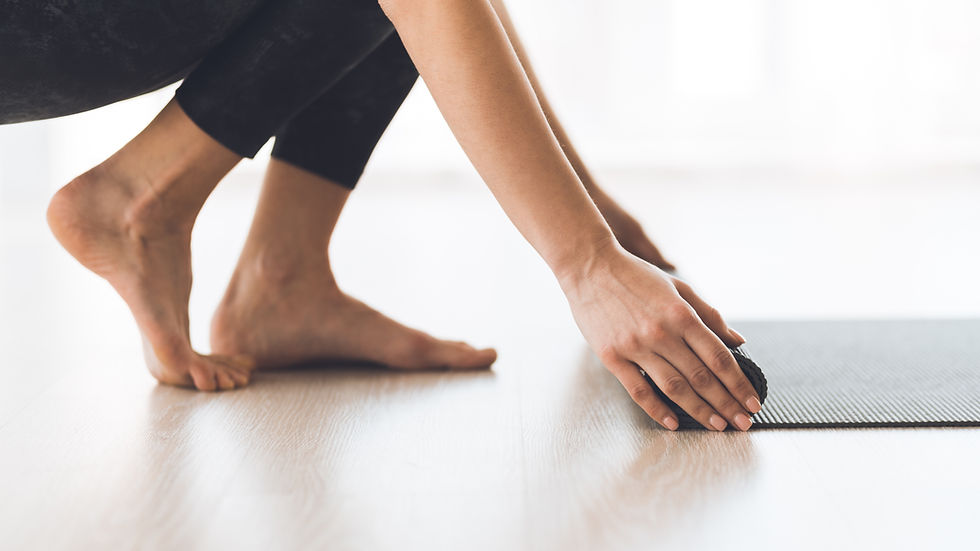
You just had an amazing massage session—your muscles feel looser, your stress has melted, and your body is moving better. But what about those days in between? That’s where self-massage can make a big difference.
Here’s your simple guide to self-massage techniques you can do at home to keep your body feeling its best between visits.
Why Self-Massage?
Self-massage helps:
Extend the benefits of professional sessions
Relieve minor aches and tight spots
Improve circulation and mobility
Support faster recovery after workouts
Reduce tension from daily stress
It doesn’t have to be complicated or painful—just consistent.
Tools You Can Use
You don’t need fancy equipment (although they can help). A few common tools include:
Your hands and thumbs – perfect for accessible areas like arms, calves, and neck
Foam roller – ideal for larger muscle groups like your back, quads, and IT bands
Lacrosse or tennis ball – great for targeting knots in your glutes, shoulders, or feet
Massage cane or Theracane – helps reach mid-back or shoulder blades
Try These Simple Techniques
1. Lower Back (Gentle Roll Out)
How: Lie on a foam roller or place a massage ball between your lower back and a wall. Slowly shift your weight to apply gentle pressure.Pro Tip: Don’t roll directly on your spine—stay to the sides.
2. Feet (Underrated Game Changer)
How: Roll a tennis ball under your arch and heel while seated or standing.Why: Your feet carry you everywhere—show them love to improve posture and reduce leg tension.
3. Quads & Hamstrings (Desk Recovery)
How: Use a foam roller to roll the front and back of your thighs. Move slowly and breathe through tight spots.Perfect for: Runners, cyclists, or anyone who sits a lot.
4. Forearms & Hands (Tech Overload Fix)
How: Use your thumb to massage in circular motions along the forearm and base of the thumb.When: After typing, texting, or scrolling.
Tips for Safe & Effective Self-Massage
Go slow—no need to “dig in”
Breathe deeply to help your body relax
Stay hydrated afterward
Focus on muscle tissue, not joints or bones
Stop if you feel sharp or shooting pain
When Self-Massage Isn’t Enough
Self-massage is a great supplement, but it’s not a replacement for professional care. If you’re dealing with chronic pain, limited mobility, or stubborn knots, schedule a session with one of our skilled therapists. We’ll help you get to the root of the issue.
Keep the Momentum Going
Self-massage is your secret weapon between sessions. Use it to check in with your body, stay proactive with your care, and feel more in control of your wellness.
Want more personalized tips?
Ask your Defiance Massage therapist at your next visit—we’re happy to show you techniques that fit your body’s unique needs.


Comments